Written by Nemanja Stanković, English language and literature teacher
“We live in an industrial age,” how many times have you heard this phrase? With all the technological advancements that are available at our fingertips, it remains ever so difficult not to be constantly reminded of this very fact. While one cannot deny, nor indeed omit, the myriad number of achievements in the fields of medicine, industry,I.T., and the like; I cannot help but be saddened by the fact that, in spite of all the growth when it comes to the developments in communication, we seem to have been deprived of the one characteristic which is inhereantly human and, not so long ago, used to be endemic to us all – telling and reading stories.
It is no surprise that nowadays scarcely anybody has time to read. Almost every bookworm struggles with this gnawing affliction made manifest as a result of being constantly pressed for time, yet we perservere despite the hectic schedules, laborious exams, adverse working hours, inflexible deadlines; because for many readers, literary fiction provides that desperately needed escapism so we can endure the difficulties of everyday life.
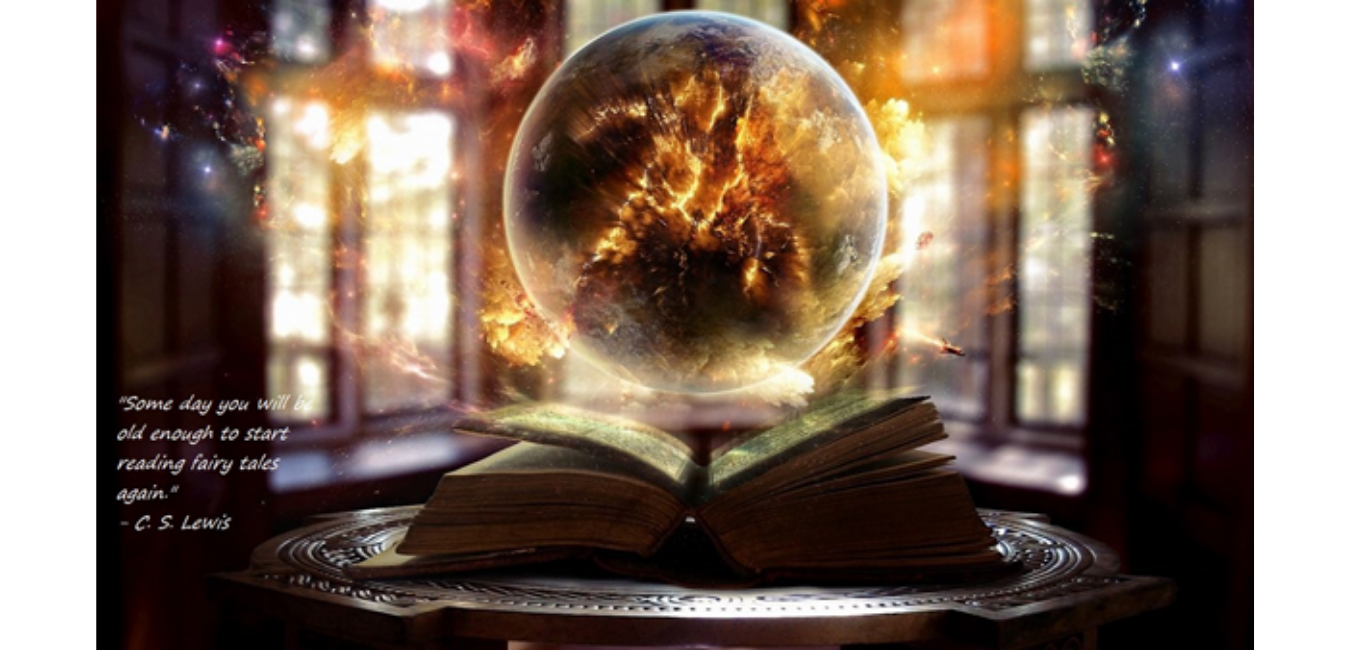
Nowhere is this more true and further pronounced than in Fantasy Literature, for where else can one immerse him or herself in completely different worlds, characters, and creatures devoid of any rules safe those which are governed and penned by the imagination of its authors.
If those of you reading this blog have been occasional denizens and participants of such fantastical and diverse domains through the pages that you have read, or are yet to frequent them, then I invite you all to join me in this Fantasy Literary Course. Together we shall embark on and share in an adventure in which we shall endeavour to unearth and elucidate some of the following questions:
I) What is Fantasy Literature and Where Do its Origins Lie?
II) What Overall Themes are Prevalent in Fantasy Literature?
III) What Are the Common Elements and Characteristics of the Fantasy Genre?
IV) What Is the Difference Between Fantasy, and Gothic &Horror Literature?
In addition to this, in order to respond to the above-mentioned questions we shall have to meticulously peruse some of the most notable works of Fantasy Literature, namely:
I) A Wizard of Earthsea Ursula K. Le Guin
II) Chronicles of Narnia C. S. Lewis
IV) Harry Potter novels J. K. Rowling
V) The Hobbit & The Lord of the Rings J. R. R. Tolkien
VI) Discworld novels Terry Pratchett
VII) The Song of Ice and Fire George R. R. Martin
VIII) The Witcher excerpts Andrej Sapkowski
IX) Warcraft novels (Rise of the Horde, The Last Guardian, Tides of Darkness, Beyond the Dark Portal, A Day of the Dragon, Arthas, Rise of the Lich King)
Finally, as the ultimate purpose of this course is not only to provide detailed and thorough body of knowledge for all Fantasy Literature booklovers, but entertainment as well, I invite you all to leave your comments and any suggestions that you may have. Let us rescue one of the oldest traditions that we have forgotten and together tell stories once again.